Professional manufacturer of full set heavy-duty commercial gym equipment over 23 years.  +86 13642520076
 ky004@ky868.com
Language
Professional manufacturer of full set heavy-duty commercial gym equipment over 23 years. +86 13642520076 ky004@ky868.com
When planning a commercial gym, selecting the right equipment is one of the most important decisions for long-term success. A well-equipped facility attracts members, improves retention, supports different training goals, and creates a professional brand image. Many gym owners focus only on appearance or price, but the most successful gyms combine durability, functionality, user experience, and operational efficiency. Investing in professional gym equipment from the beginning can reduce maintenance costs, minimize downtime, and provide a better training experience for members.
Why Equipment Selection Matters
Commercial gyms serve a wide range of users, from beginners to athletes, rehabilitation clients, and personal training customers. Unlike home gyms, commercial facilities experience constant daily usage. Equipment must therefore withstand thousands of repetitions, frequent adjustments, and heavy loads. Choosing the best commercial gym equipment is not simply about buying premium machines; it is about selecting equipment that matches the gym's target market, available space, and business model.
A commercial gym generally needs equipment across several categories:
Cardio machines
Strength training machines
Free weights
Functional training equipment
Stretching and recovery equipment
Accessories and storage systems
Each category contributes to a complete member experience and supports different training objectives.
Cardio Equipment: The Foundation of Member Traffic
Cardio equipment is often the first area members use when entering a gym. It plays a major role in weight management, cardiovascular health, warm-ups, and general fitness. Essential cardio machines include:
Treadmills
Treadmills remain one of the most popular pieces of commercial gym equipment. Members appreciate the ability to walk, jog, or sprint regardless of weather conditions. Commercial-grade treadmills should feature powerful motors, wide running surfaces, shock absorption systems, and intuitive consoles. Since treadmills receive extremely high usage, durability is critical.
Elliptical Trainers
Ellipticals provide a low-impact alternative to running and are particularly popular among members seeking joint-friendly workouts. Commercial models should offer smooth resistance adjustments and ergonomic movement patterns.
Stationary Bikes
Upright bikes, recumbent bikes, and indoor cycling bikes serve different user groups. Indoor cycling bikes are especially important for gyms offering group classes.
Rowing Machines
Rowers provide a full-body workout and have become increasingly popular in functional fitness and HIIT programs. They are excellent for both conditioning and endurance training.
A well-balanced cardio section helps attract a broader membership base and supports multiple training styles.
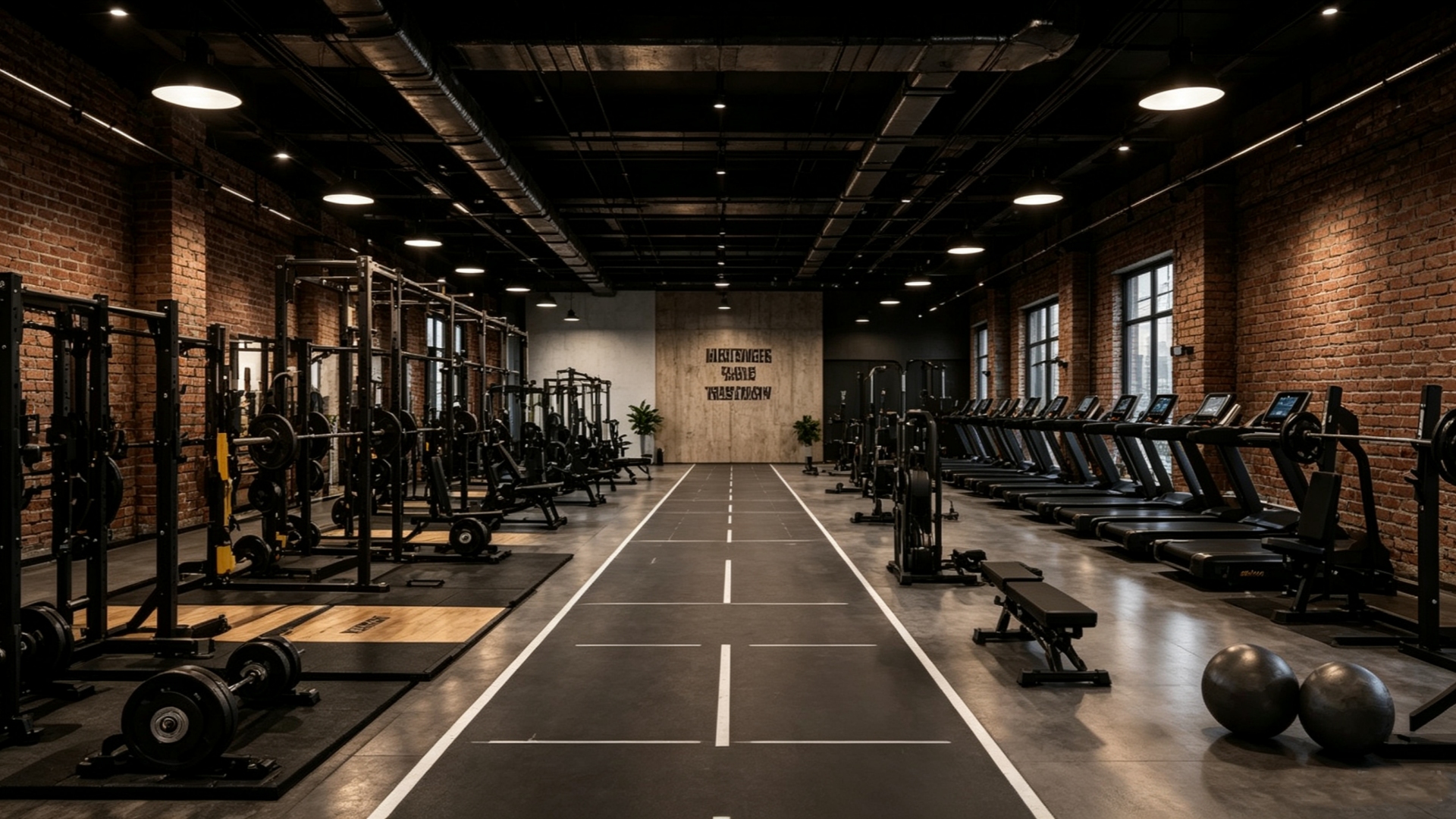
Strength Machines: Essential for Structured Training
Strength machines are essential because they provide guided movement patterns that are accessible to beginners while still valuable for experienced users. Key machine categories include:
Chest Press Machines
These target the chest, shoulders, and triceps while offering more stability than free-weight pressing movements.
Shoulder Press Machines
Important for upper-body development and often easier for beginners than standing overhead presses.
Lat Pulldown and Row Machines
Back training is crucial for posture, athletic performance, and overall muscular balance. Multiple pulling variations should be available.
Leg Press Machines
Leg presses allow heavy lower-body training with reduced technical demands compared to barbell squats.
Leg Curl and Leg Extension Machines
These isolate the hamstrings and quadriceps, supporting both strength development and rehabilitation.
Cable Systems
Adjustable cable machines are among the most versatile pieces of professional gym equipment. They support strength, functional, rehabilitation, and sports-specific exercises.
When selecting strength machines, prioritize biomechanics, adjustability, ease of use, and build quality.
Free Weights: The Core of Serious Strength Training
No commercial gym is complete without a comprehensive free-weight area. Free weights allow natural movement patterns, progressive overload, and advanced training techniques.
Dumbbells
A full dumbbell range should accommodate both beginners and advanced lifters. Commercial gyms often provide sets ranging from light rehabilitation weights to heavy strength-training dumbbells.
Barbells and Weight Plates
Olympic barbells, bumper plates, and traditional iron plates form the foundation of strength training. Quality barbells should offer appropriate whip, durability, and secure sleeve rotation.
Benches
Flat, adjustable, and decline benches support a wide variety of exercises. Benches should be stable, easy to move, and built for heavy commercial use.
Power Racks and Squat Racks
These are essential for squats, presses, deadlifts, and other compound movements. Safety arms, pull-up bars, and attachment compatibility add significant value.
Free weights are often a deciding factor for serious strength-training members. Investing in durable, high-quality equipment enhances the gym's reputation.
Functional Training Equipment: Supporting Modern Fitness Trends
Modern gyms increasingly allocate space for functional training. This area supports HIIT, sports conditioning, group training, and personal training sessions.
Essential functional training equipment includes:
Kettlebells
Medicine balls
Battle ropes
Plyometric boxes
Resistance bands
Sleds and turf areas
Suspension trainers
Functional training areas are highly flexible and can accommodate multiple users simultaneously. They also create opportunities for premium coaching services and group programs.
Stretching and Recovery Equipment
Recovery is becoming increasingly important in commercial fitness facilities. Members appreciate dedicated areas for mobility work, stretching, and post-workout recovery.
Consider including:
Stretching mats
Foam rollers
Massage tools
Mobility stations
Recovery benches
While these items may not generate immediate revenue, they improve the overall member experience and encourage longer facility visits.
Storage Systems: Often Overlooked but Critical
Proper storage improves safety, organization, and operational efficiency. Essential storage solutions include:
Dumbbell racks
Plate trees
Kettlebell racks
Accessory storage stations
Vertical barbell storage
A clean, organized gym appears more professional and reduces trip hazards and equipment damage.
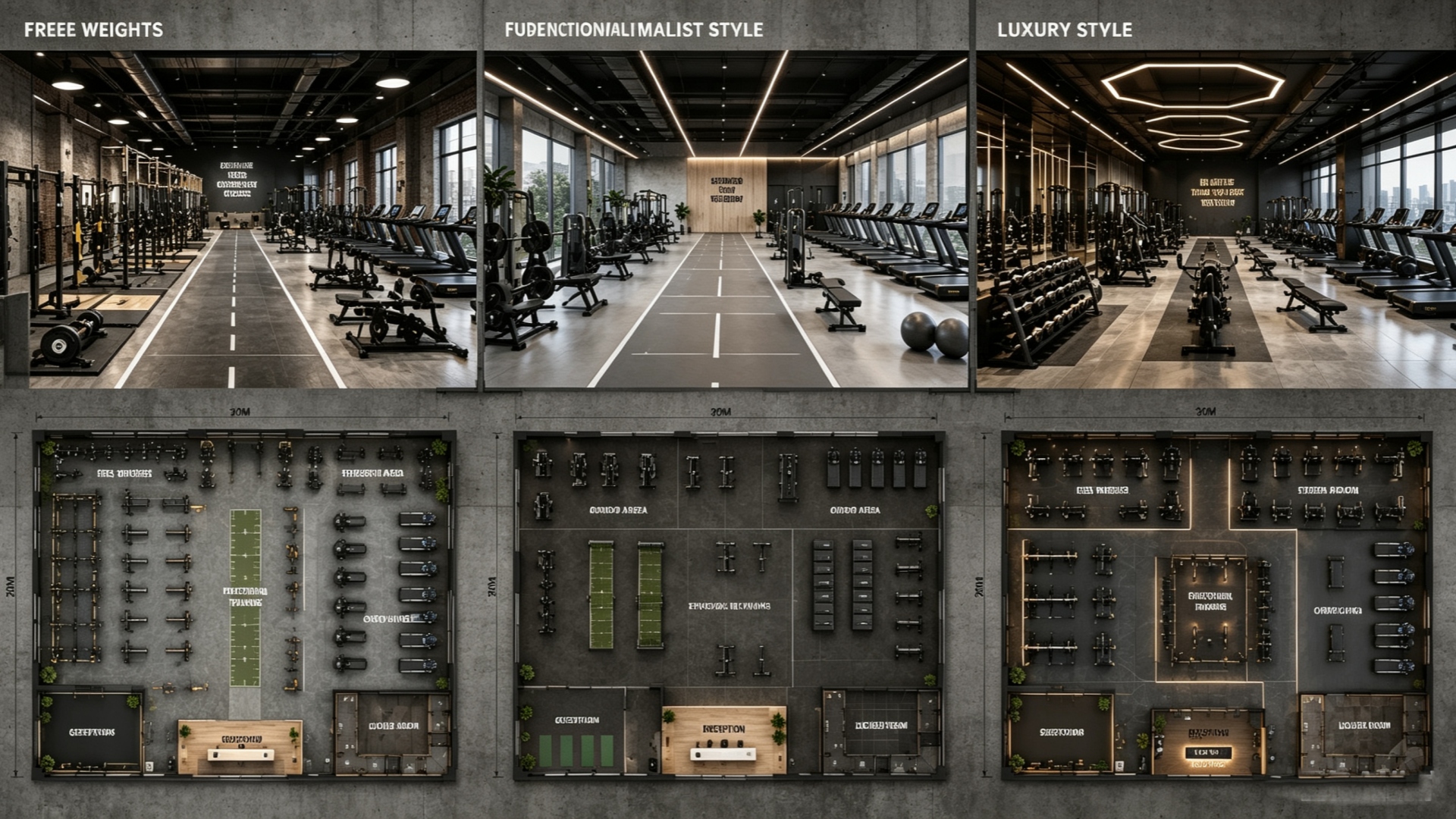
How to Choose the Best Commercial Gym Equipment
When evaluating suppliers and equipment lines, consider the following factors:
Build Quality
Look for heavy-gauge steel frames, durable upholstery, high-quality bearings, and commercial-grade finishes. Equipment should withstand years of heavy usage.
Biomechanics
Machines should provide natural movement patterns and comfortable positioning. Poor biomechanics can reduce training effectiveness and increase injury risk.
Ease of Maintenance
Commercial facilities benefit from equipment with accessible service points and readily available replacement parts.
Space Efficiency
Optimize floor space without sacrificing training variety. Multi-functional equipment can be especially valuable in smaller facilities.
Warranty and Support
Reliable after-sales support is crucial for minimizing downtime and protecting the investment.
The Role of Fitness Equipment Wholesalers
Many gym owners purchase equipment through fitness equipment wholesalers rather than buying individual retail units. Wholesale purchasing offers several advantages:
Better pricing for large orders
Consistent equipment aesthetics across the facility
Coordinated delivery and installation
Access to commercial product lines
Long-term supplier relationships
Reputable fitness equipment wholesalers can also provide layout planning, equipment recommendations, and ongoing support. For new gym projects, working with an experienced commercial supplier often simplifies the entire setup process.
Conclusion
Building a successful commercial gym requires more than filling a room with machines. The right combination of cardio equipment, strength machines, free weights, functional training tools, recovery areas, and storage systems creates a complete fitness environment that serves diverse member needs. Investing in best commercial gym equipment improves durability, user satisfaction, and long-term operational efficiency.
For gym owners planning a new facility or upgrading an existing one, working with experienced fitness equipment wholesalers can provide significant advantages in pricing, equipment selection, layout planning, and ongoing support. By focusing on quality, functionality, and member experience, a commercial gym can build a strong reputation and remain competitive for years to come.
Ultimately, the goal is not simply to purchase equipment—it is to create an environment where members can train effectively, safely, and consistently. Choosing reliable professional gym equipment is one of the smartest investments any commercial gym can make.

 +86 13642520076
 G10 Workshop, Longteng Industrial Zone, Shiling Village Committee, Longtang Town, Qingcheng District, Guangzhou, Guangdong, China
 ky004@ky868.com
 +86 13642520076