Professional manufacturer of full set heavy-duty commercial gym equipment over 23 years.  +86 13642520076
 ky004@ky868.com
Language
Professional manufacturer of full set heavy-duty commercial gym equipment over 23 years. +86 13642520076 ky004@ky868.com
Purchasing commercial gym equipment is a significant investment for gym owners, fitness club operators, hotel developers, and fitness equipment distributors. When sourcing equipment from different manufacturers, it is common to receive several quotations with noticeably different prices. However, choosing the cheapest supplier does not always mean getting the best value.
Different manufacturers may offer different materials, configurations, production standards, warranty policies, and after-sales services. Even when two quotations list similar equipment, the actual quality and long-term performance can vary considerably.
So, how can you compare gym equipment quotes effectively and choose the right manufacturer for your project?
This guide explains the key factors you should evaluate before making a purchasing decision.
1. Compare Equipment Specifications, Not Just Prices
The first step is to check whether the quotations include exactly the same equipment specifications.
Some manufacturers may offer lower prices because their machines use lighter materials, simpler structures, or fewer standard accessories. Therefore, comparing prices without checking technical details can lead to misleading conclusions.
Pay attention to the following specifications:
Frame material: Check the steel grade, tube dimensions, and thickness.
Machine structure: Evaluate frame stability, welding quality, and overall construction.
Weight stack: Compare the total weight, material, and adjustment system.
Cables and pulleys: Check cable strength, pulley materials, and smooth operation.
Upholstery: Compare cushion thickness, leather quality, and comfort.
Adjustment system: Check whether seats, backrests, and handles are easy to adjust.
Dimensions: Make sure the equipment fits your gym layout.
For example, two commercial chest press machines may look similar in product photos, but one may use a heavier steel frame and a more stable movement structure.
A detailed specification comparison helps you understand what you are actually paying for.
2. Evaluate the Quality of Materials and Manufacturing
Material quality directly affects the durability, safety, and service life of commercial fitness equipment.
For equipment intended for high-frequency commercial use, the frame should be strong enough to withstand repeated loading and daily training.
When comparing manufacturers, ask about:
Steel Frame Quality
Find out what type of steel is used and request the tube dimensions and thickness. Commercial equipment manufacturers may use different steel grades and structural designs, which can affect strength and stability.
Welding and Surface Finishing
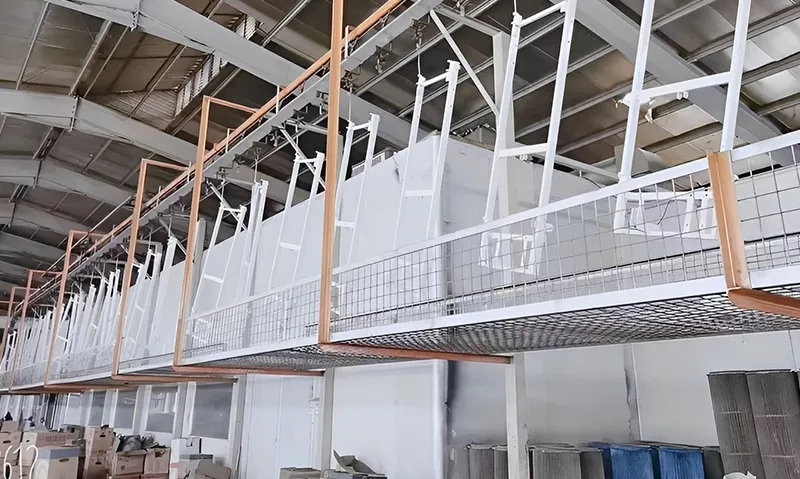
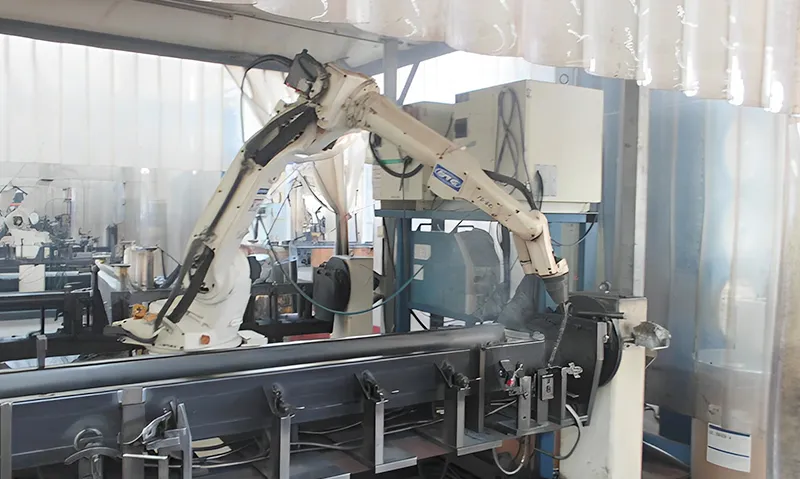
Check whether the manufacturer uses professional welding equipment and standardized production processes. Smooth welds, consistent grinding, and uniform powder coating are indicators of manufacturing quality.
Moving Components
Inspect bearings, cables, pulleys, guide rods, and adjustment mechanisms. These components directly influence the smoothness of movement and long-term maintenance requirements.
Seat and Cushion Materials
Comfort is another important factor. High-quality upholstery, durable foam, and ergonomic seat designs can improve the overall training experience.
If possible, request factory videos, detailed product photos, or samples to evaluate the manufacturing quality before placing an order.
3. Check Whether the Quotation Includes Complete Equipment Configurations
A low quotation may not include all the accessories and components required for normal operation.
Before comparing prices, confirm that each manufacturer is quoting the same configuration.
For example, a commercial treadmill quotation should clearly specify:
Motor power and type
Running belt dimensions
Speed and incline ranges
Display and control system
Maximum user weight
Safety features
Warranty coverage
For strength equipment, check whether the quoted price includes weight stacks, adjustment handles, accessories, and other necessary components.
For functional training equipment, confirm whether attachments, handles, cables, and installation accessories are included.
You should also check whether free weights, weight plates, barbells, flooring, and other supporting products are included in the overall gym package.
A complete quotation makes budget planning more accurate and reduces the risk of unexpected additional expenses.
4. Compare Warranty Policies and After-Sales Services
Commercial gym equipment operates under frequent and sometimes intensive use. Even well-manufactured machines require regular maintenance and occasional replacement of components.
Therefore, warranty coverage and after-sales support should be important parts of your supplier evaluation.
Ask each manufacturer the following questions:
How long is the warranty period?
Which components are covered?
Are motors, frames, cables, and electronic parts covered separately?
Are replacement parts available?
How quickly can spare parts be shipped?
Is technical support available online?
Can the supplier provide installation guidance?
Do not simply compare warranty duration. Pay attention to the actual warranty terms and exclusions.
For example, a supplier offering a longer warranty may have strict exclusions or expensive replacement-part policies. Another manufacturer may provide more practical support, including installation instructions, troubleshooting assistance, and readily available spare parts.
For international buyers, clear communication and reliable technical support are particularly important.
5. Calculate the Total Landed Cost, Not Just the Factory Price
When purchasing gym equipment internationally, the factory quotation is only part of the total investment.
Shipping, customs duties, insurance, packaging, and local transportation can significantly affect your final purchasing cost.
When comparing quotations, consider these expenses:
| Cost item | What to check |
| Equipment price | Total product cost and included accessories |
| Packaging | Standard packaging or reinforced wooden crates |
| Inland transportation | Delivery from factory to loading port |
| Ocean freight | Shipping cost to the destination port |
| Insurance | Cargo insurance coverage |
| Customs duties | Import duties and applicable taxes |
| Destination charges | Port handling and local fees |
| Installation | Assembly and installation expenses |
Common terms include:
EXW: The buyer takes responsibility for collection and transportation from the seller's premises.
FOB: The seller handles export clearance and delivery on board the nominated vessel at the agreed port.
CIF: The seller covers cost, insurance, and freight to the destination port.
DDP: The seller takes responsibility for delivery, import clearance, and applicable duties and taxes, subject to the agreed terms.
Make sure all suppliers quote under comparable shipping terms. Otherwise, a lower equipment price may simply reflect costs that have not been included.
6. Evaluate the Manufacturer's Factory and Production Capacity
Choosing a reliable gym equipment manufacturer is just as important as choosing the right products.
A professional manufacturer should have stable production capacity, quality control procedures, experienced technical staff, and the ability to handle different project requirements.
Before making a decision, investigate the following:
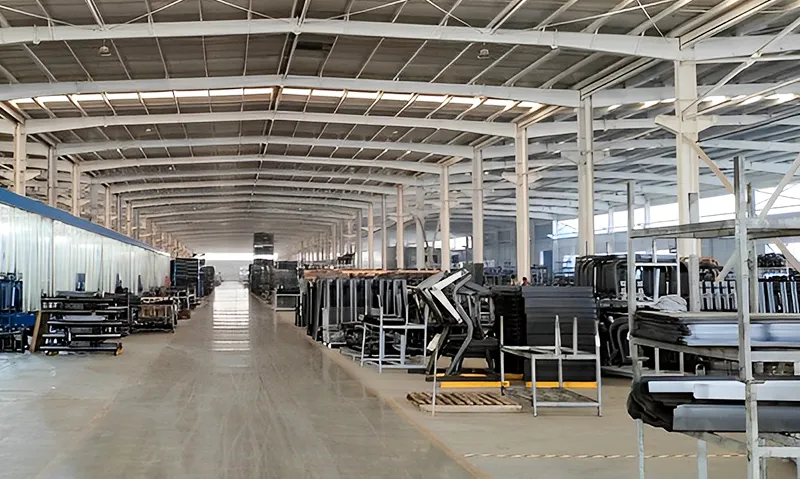
Factory Size and Production Facilities
Does the supplier own its manufacturing facility, or does it mainly operate as a trading company?
Check whether the factory has professional production equipment, such as laser cutting machines, CNC machining centers, automatic pipe bending machines, robotic welding systems, and powder coating lines.
Quality Control System
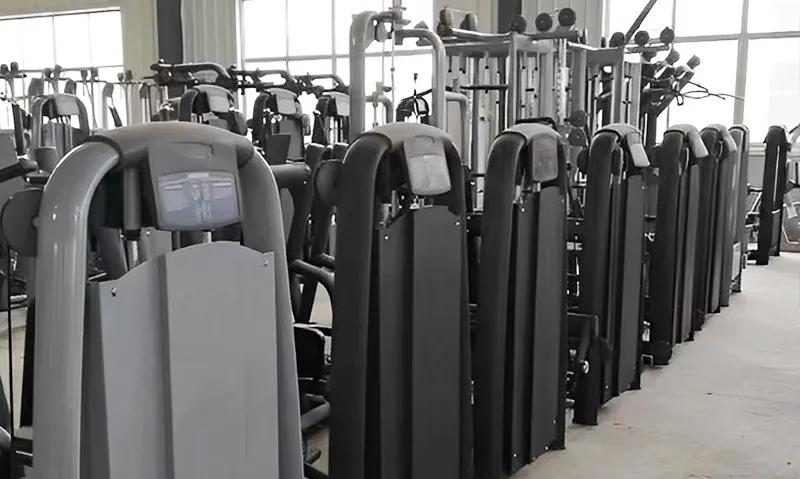
Ask how products are inspected during production and before shipment. A reliable manufacturer should have clear inspection procedures covering raw materials, welding, assembly, performance, and final packaging.
Production Capacity
If you are purchasing equipment for a large gym project or placing regular wholesale orders, make sure the manufacturer can meet your required production schedule.
Customization Capabilities
For gym owners and distributors, customized logos, frame colors, upholstery colors, and equipment configurations can help create a distinctive brand identity.
Working directly with a manufacturer can also make communication, customization, and production follow-up more efficient.
7. Request References and Real Project Cases
Product catalogs and promotional materials cannot tell you everything about a manufacturer's actual performance.
Ask potential suppliers to share completed gym projects, customer references, factory inspection videos, and installation photos.
Real project cases can help you evaluate:
Whether the manufacturer has experience with similar gym sizes.
Whether its equipment is suitable for commercial environments.
Whether it can provide complete equipment packages.
Whether previous customers are satisfied with product quality and service.
Whether the supplier has experience with international shipping and installation support.
For example, a manufacturer that has completed hotel gyms, commercial fitness clubs, apartment gyms, and professional training facilities may have a better understanding of different project requirements.
If possible, visit the factory and test the equipment personally. Checking machine stability, movement smoothness, adjustment systems, and finishing quality firsthand is one of the best ways to evaluate a supplier.
8. Consider the Supplier's Gym Planning and Project Support
If you are opening a new gym, purchasing equipment is only one part of the process.
You may also need assistance with equipment selection, floor planning, space utilization, functional zoning, transportation, and installation.
Some manufacturers only sell individual machines, while others provide complete gym solutions.
A professional supplier should be able to help you:
Select suitable equipment according to your target customers.
Optimize equipment placement and walking areas.
Divide the gym into cardio, strength, free weight, and functional training zones.
Recommend equipment based on the available investment budget.
Customize equipment according to your gym's branding.
Provide installation instructions and after-sales support.
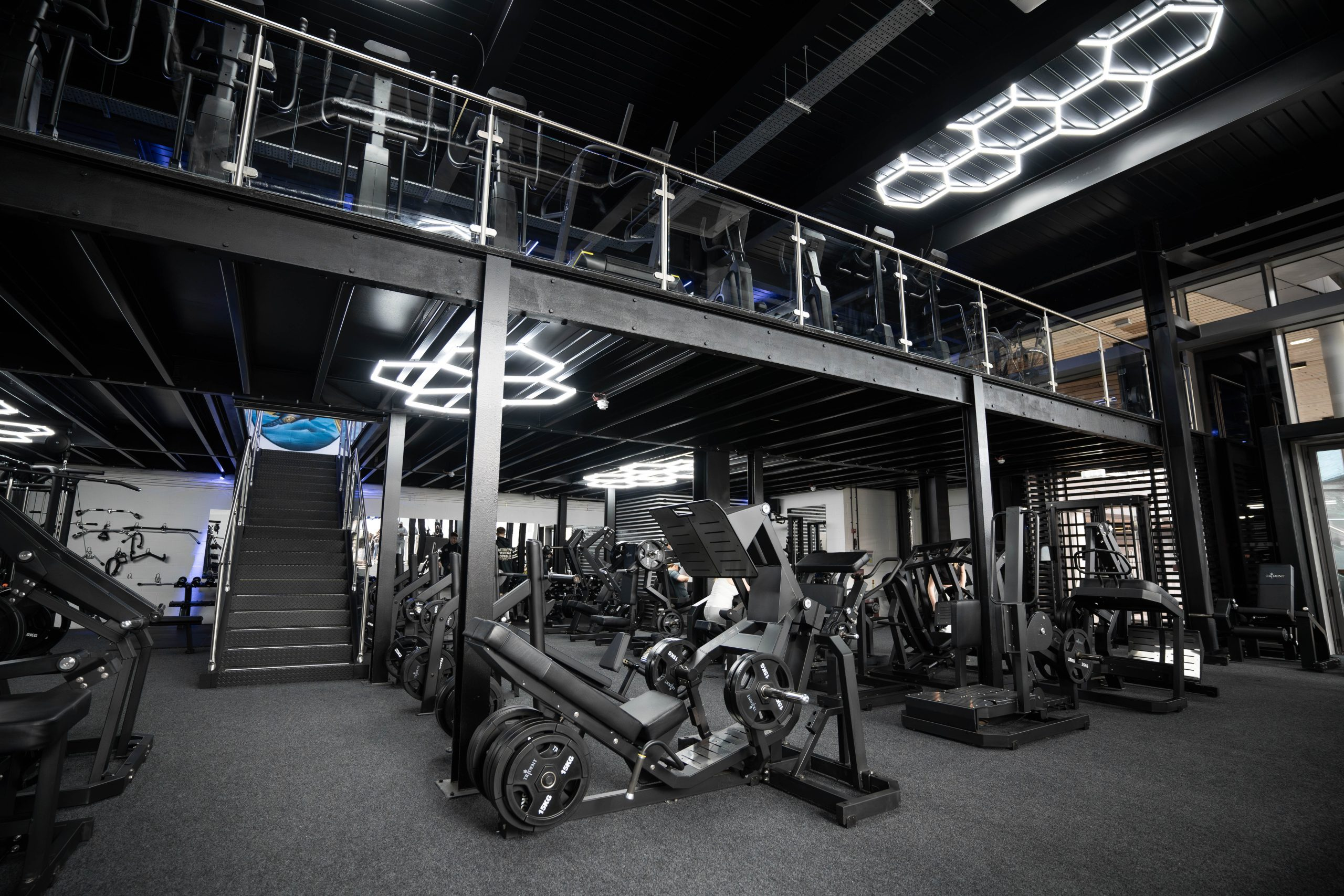
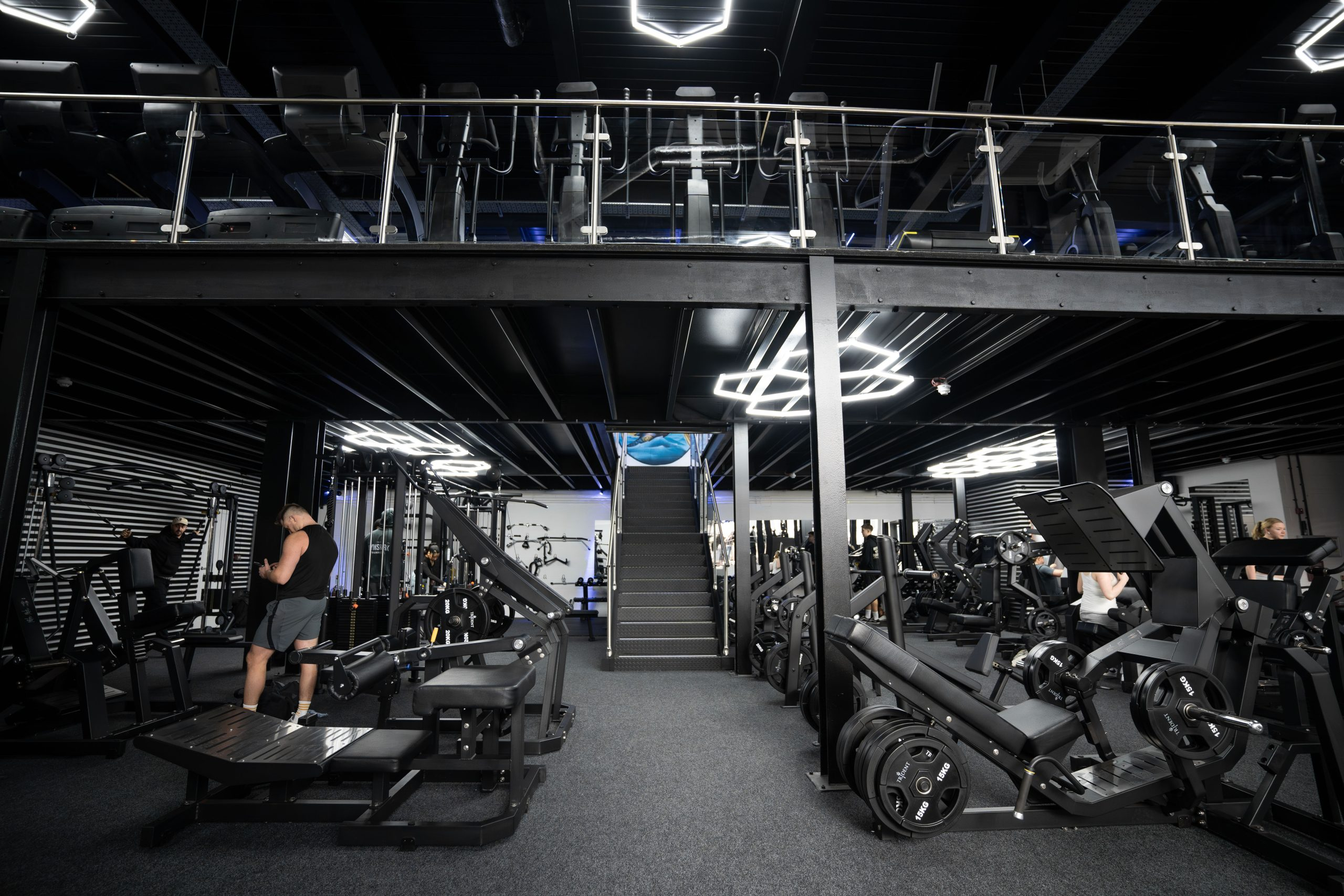
For hotel gyms, apartment fitness centers, commercial clubs, and women's gyms, professional planning can help improve space utilization and create a better training environment.
When comparing quotations, consider the value of these additional services rather than focusing exclusively on equipment prices.
9.Common Mistakes to Avoid When Comparing Gym Equipment Quotes
Before confirming your order, avoid these common purchasing mistakes:
Choosing the Cheapest Supplier Without Checking Quality
A low price may indicate different material specifications, incomplete configurations, or limited after-sales support.
Ignoring Shipping and Import Costs
Always calculate the total landed cost instead of comparing factory prices alone.
Overlooking Warranty Details
Request written warranty terms and clarify which components are covered.
Not Confirming Production and Delivery Times
Make sure the supplier can meet your project schedule, especially if you have a planned gym opening date.
Relying Only on Product Photos
Request real factory videos, detailed specifications, and, whenever possible, arrange a factory visit or equipment inspection.
Failing to Confirm the Final Quotation
Before payment, make sure the final quotation clearly states product models, quantities, specifications, accessories, packaging, delivery terms, and payment conditions.
Conclusion: Choose the Best Value, Not Simply the Lowest Price
Comparing gym equipment quotes requires more than looking at numbers on a quotation sheet. Product specifications, material quality, manufacturing standards, warranty policies, shipping costs, and project support all influence the actual value of your investment.
A reliable gym equipment manufacturer should offer not only competitive pricing but also consistent product quality, professional production capabilities, transparent communication, and dependable after-sales service.
At Ganas / Guangdong Panata Fitness Equipment Co., Ltd., we specialize in commercial gym equipment manufacturing and complete fitness solutions.
With 23 years of industry experience, a 28,000 m² manufacturing facility, and a professional team covering research and development, production, sales, and service, we provide equipment for commercial gyms, hotels, apartments, women's fitness centers, and other fitness projects.
From equipment selection and customized manufacturing to gym layout planning and shipping support, we help customers turn their gym ideas into practical fitness spaces.
Looking for a reliable gym equipment manufacturer in China?
Contact Ganas today to request a product catalog, compare equipment specifications, and receive a customized quotation for your gym project.

 +86 13642520076
 G10 Workshop, Longteng Industrial Zone, Shiling Village Committee, Longtang Town, Qingcheng District, Guangzhou, Guangdong, China
 ky004@ky868.com
 +86 13642520076