Professional manufacturer of full set heavy-duty commercial gym equipment over 23 years.  +86 13642520076
 ky004@ky868.com
Language
Professional manufacturer of full set heavy-duty commercial gym equipment over 23 years. +86 13642520076 ky004@ky868.com
As the fitness industry develops rapidly, the frequency of use and performance requirements of fitness equipment are increasing day by day, whether it is a large commercial gym, a hotel fitness center, or a private home fitness space. A piece of equipment with good performance can bring a smooth, safe, and effective exercise experience; while a piece of equipment that is neglected in maintenance will not only deteriorate in performance, but may also bring safety hazards, and even cause customer complaints and operational losses.
Therefore, it is not only important to buy good fitness equipment, but also more important to use it for a long time. Scientific and effective care and maintenance are an indispensable part of equipment management in every fitness venue.
This article will deeply analyze how to perform comprehensive maintenance and upkeep on fitness equipment from five aspects: the significance of maintenance, common problems, maintenance principles, equipment classification and maintenance methods, and misunderstandings.
1.Why should fitness equipment be maintained regularly?
Fitness equipment is a long-term investment. Compared with the one-time investment cost, the subsequent use, maintenance and value preservation are the real core value. The following points are enough to illustrate the importance of maintenance:
Improve service life: properly maintained equipment can extend its service life by 30%-50%;
Ensure user safety: worn wire ropes, loose screws, and faulty electronic control systems are all potential risks;
Maintain a good experience: Keep equipment running smoothly, stably, and without abnormal noise to improve user exercise satisfaction;
Save later costs: preventive maintenance is much more cost-effective than post-repair, avoiding one-time high-cost replacement;
Build brand image: clean, tidy, and well-functioning equipment is an important reflection of the professionalism of a gym.
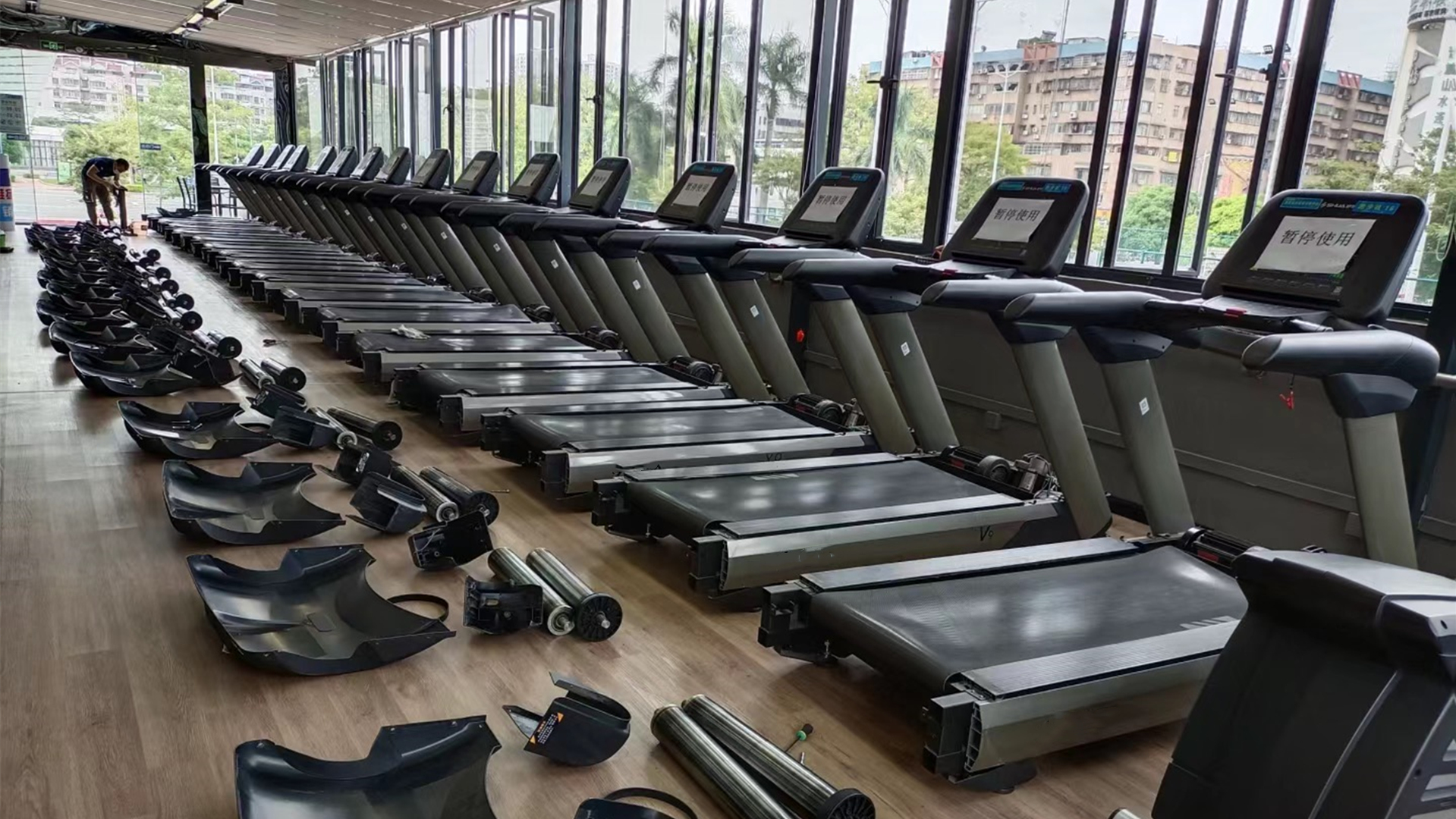
2.Common malfunctions and wear problems of fitness equipment
Different types of equipment have different common problems, but generally speaking, they can be divided into the following categories:
| category | Frequently asked questions | Cause Analysis |
| Treadmill | Running belt slipping, abnormal noise, display failure, motor overheating | Lack of lubrication, dust accumulation |
Spinning bikes | flywheel shaking, pedal loose, chain dryness | Long-term lack of lubrication or loose screws |
| Strength training equipment | cable breaking, pulley not smooth, counterweight stuck | Long-term lack of replacement, lack of cleaning |
| Rowing machine/elliptical machine | rail stuck, pedal loose, resistance failure | Moisture corrosion or improper operation |
| Multi-function training equipment | connector loose, structure shaking, appearance rusty | No maintenance in humid environments |
3.Core principles of fitness equipment maintenance
The maintenance of fitness equipment should follow the following five core principles:
a.Clean first, keep dry
Sweat contains corrosive components. Long-term cleaning can easily lead to metal rust and skin aging. After daily use, wipe the surface of the equipment with a dry cloth or special cleaning agent to prevent water stains from penetrating into the electronic control area.
b.Lubricate appropriately to keep things running smoothly
Moving parts such as slide rails, guide rods, chains, and cables need to be regularly smeared with lubricants recommended by the manufacturer to reduce wear and noise.
c.Tighten the structure and check the connection
Screws, bolts, and joints are the key to structural stability. Check them once a week to see if they are loose and ensure that the equipment is running without shaking or abnormal displacement.
d.Functional testing, electronic troubleshooting
Perform functional testing of electronic equipment (such as treadmills, electromagnetic resistance systems) once a month, and promptly repair any display, startup, or power supply problems.
e.File management and process standardization
It is recommended to establish a maintenance record file for each piece of equipment, clearly recording the cleaning, lubrication, troubleshooting and repair details to facilitate later tracking and management.
4.Detailed explanation of maintenance methods for different types of equipment
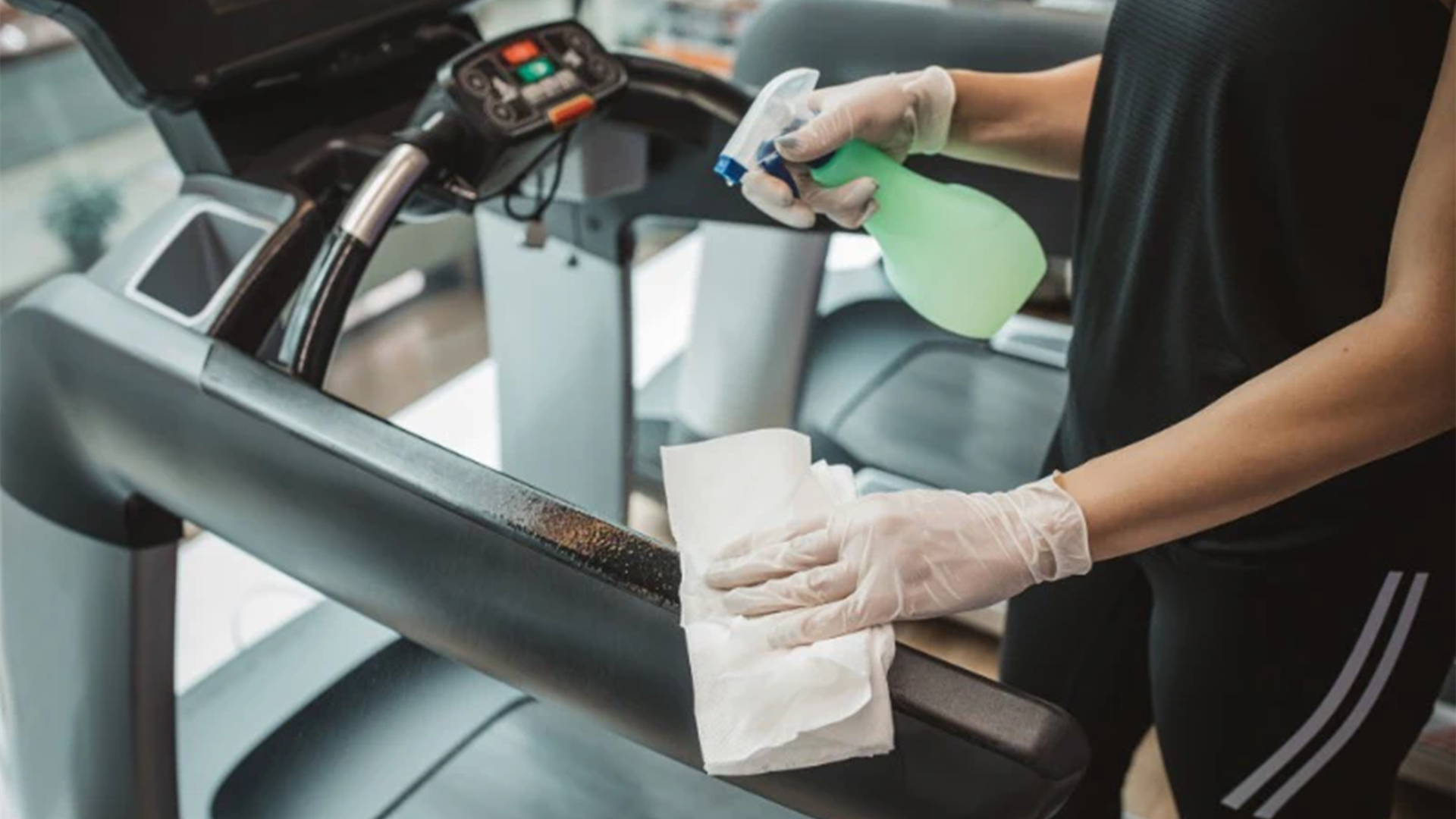
Treadmill
Daily: Wipe the running belt, panel, and handlebars;
Weekly: Check the running belt for deviation and whether the screws are loose;
Monthly: Clean the dust under the running belt and check the motor ventilation holes;
Quarterly: Lubricate the gap between the running board and the running belt;
Yearly: Check the condition of the motor carbon brushes and power cord connectors.
Spinning bike
Daily: Clean handlebars, seat, pedals;
Weekly: Check flywheel, belt tension, pedal screws;
Monthly: Lubricate flywheel shaft, chain or belt system;
Quarterly: Test resistance system sensitivity.
Strength training equipment
Daily: Wipe the seat cushion, steel cable, and handlebars;
Weekly: Check the screws and weight rail pulleys;
Monthly: Check the steel cable for broken wires and replace worn parts;
Every six months: Polish the guide rod + special lubrication maintenance.
Elliptical / Rowing Machine
Daily: Clean pedals and console;
Weekly: Test resistance adjustment function;
Monthly: Lubricate slide rails and bearing system;
Semi-annual: Replace batteries (if applicable), calibration procedure.
5.Common Misunderstandings
Misconceptions | Correct way |
| Rinse the equipment directly with water | Use dry cloth or professional cleaning agent to avoid water ingress |
| Use lubricants (such as engine oil) randomly | Use special fitness equipment lubricant |
| Repair it after it breaks | Adhere to the principle of "prevention first" and check regularly |
| Leave the power supply on for a long time | Turn off the power supply when not in use for a long time |
| Use the screws even if they are not tight | Tighten regularly to prevent the structure from loosening |
Conclusion
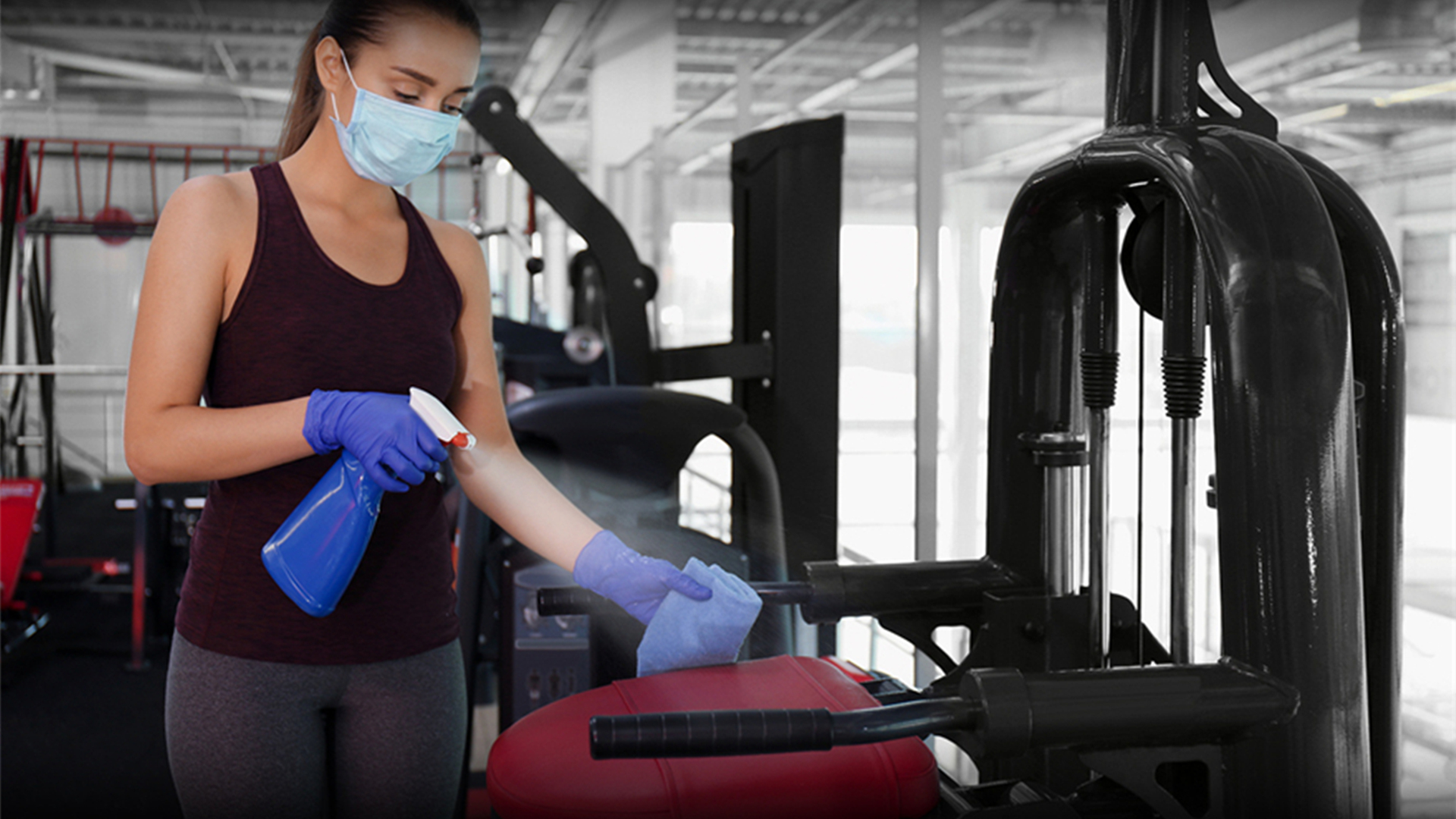
Maintenance of fitness equipment is not a "troublesome" thing, but a basic project that is responsible for user safety, brand reputation protection, and respect for investment returns. As long as a scientific maintenance process is established and a regular inspection system is implemented, many problems can be "prevented before they happen".
As a gym equipment supplier, Ganas has also been committed to providing customers with full-process pre-sales consultation, in-sales guidance and after-sales maintenance support. We believe that the value of equipment lies not only in the moment of sale, but also in the smoothness and peace of mind of every day of use.

 +86 13642520076
 G10 Workshop, Longteng Industrial Zone, Shiling Village Committee, Longtang Town, Qingcheng District, Guangzhou, Guangdong, China
 ky004@ky868.com
 +86 13642520076