Professional manufacturer of full set heavy-duty commercial gym equipment over 23 years.  +86 13642520076
 ky004@ky868.com
Language
Professional manufacturer of full set heavy-duty commercial gym equipment over 23 years. +86 13642520076 ky004@ky868.com
Exercise bikes, a common piece of aerobic exercise equipment found in gyms and homes, are popular for their low-impact, yet effective cardiovascular workouts. Compared to other equipment like treadmills, exercise bikes place less stress on the knee and ankle joints during exercise, making them ideal for a wide range of users, including those recovering from illness, the elderly, and fitness enthusiasts seeking an efficient aerobic workout to burn fat.However, to maintain the smooth experience and efficient performance of an exercise bike over the long term, daily use alone is not enough. Regular maintenance and inspections are the key to ensuring users can enjoy a smooth and safe exercise experience.Neglecting maintenance can not only reduce your exercise experience but also create safety risks, such as loose pedals or ineffective resistance mechanisms. Therefore, developing a systematic maintenance routine for your exercise bike can extend its lifespan, reduce repair costs, and improve user satisfaction.
Importance of Pedal Replacement
The pedals are one of the parts of an exercise bike that comes into direct contact with the user, bearing the full force of pedaling during exercise. If the pedals become worn, loose, or broken, they can reduce stability and potentially cause slippage or injury. Over extended use, the pedal bearings can also wear out, leading to unusual noises and an uneven feel when pedaling.Regularly checking the pedals for firmness and bearing flexibility is an important step in maintaining the normal operation of the exercise bike. If the anti-skid patterns on the pedal surface are found to be severely worn or the fixing screws are loose, the pedals should be replaced in time.Replacing your pedals isn't just about comfort; it's also about safety and stability. High-quality new pedals not only allow users to maintain a smooth pedaling rhythm, but also increase confidence and focus during exercise, making exercise more efficient.
Seat repair or replacement
A comfortable seat is key to ensuring a long-term riding experience.An ergonomically designed chair can effectively distribute body weight and avoid excessive pressure on the hips and waist.However, after long-term use, the sponge on the seat surface may collapse, the outer leather may be damaged, or even the seat adjustment device may fail.If the seat doesn't provide adequate comfort, users can easily shorten their workouts due to discomfort, affecting their fitness results. Even more seriously, a loose seat or damaged adjustment buckles can cause a sudden loss of balance during exercise, leading to accidents.Therefore, regular seat inspection and maintenance are essential. If problems are discovered, repair or replacement can be considered, depending on the severity of wear. A new seat not only improves comfort but also strengthens user engagement, allowing the exercise bike to deliver even greater value.
Flywheel repair or replacement
The flywheel is the "core power component" of the exercise bike, which determines the smoothness and stability of riding.A high-quality flywheel can provide smooth inertia, making the pedaling frequency more natural and avoiding abrupt jerks.However, due to long-term friction and high-speed operation, the flywheel may experience loose bearings, abnormal noises, or even wear.When there is a problem with the flywheel, the user will obviously feel that the riding is not smooth, and may even be accompanied by a harsh friction sound. This not only affects the experience, but also increases the load on other components.If not addressed promptly, the problem can escalate and damage the entire machine. Regularly checking the flywheel for smooth operation and deflection is a key maintenance step. If the problem cannot be resolved with simple lubrication, consider replacing the flywheel. A smooth new flywheel can significantly improve the riding experience, helping users maintain a steady cadence and achieve more efficient aerobic training.
Resistance device maintenance
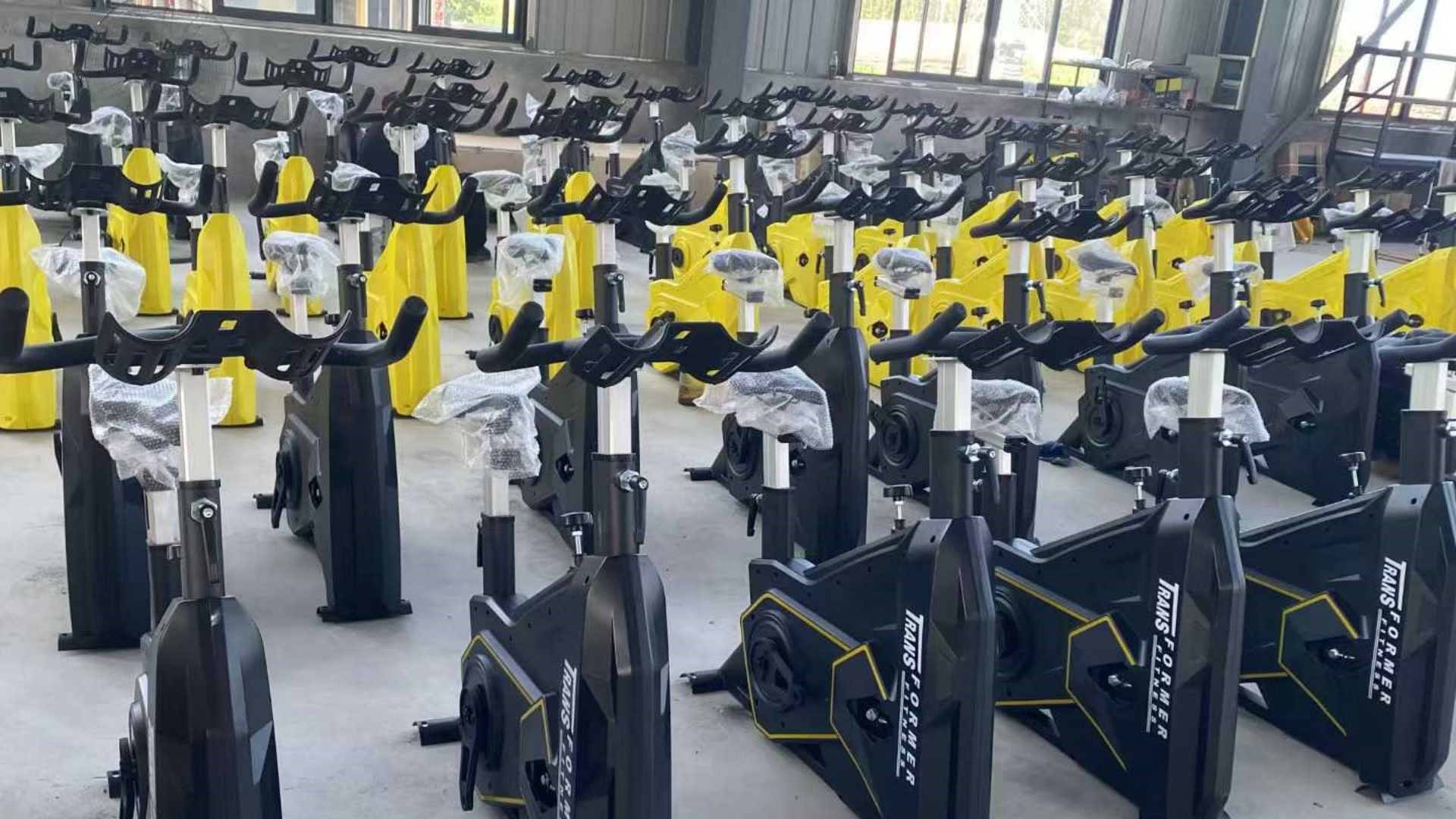
The resistance mechanism of an exercise bike determines the intensity and effectiveness of a user's training. Whether it's magnetically controlled resistance or friction plate resistance, it must be stable and precise to meet the training needs of users at different stages.If the resistance device becomes stuck, ineffective, or insensitive, users will be unable to plan their training properly and their exercise experience will be greatly reduced. This is especially true when performing interval training or hill climbing simulations, where timely resistance response and precise adjustment are particularly important.Regularly checking the resistance mechanism for wear and magnet misalignment is part of maintenance. If uneven resistance or a malfunctioning adjustment knob is observed, repair or replacement is necessary. Professional adjustment ensures long-term stability of the resistance mechanism, allowing users to freely switch between different intensity zones and improve their cardiorespiratory fitness and endurance.
Handlebar adjustment
The design of the handlebars is directly related to the user's exercise posture and comfort. If the handlebar height or angle is not adjusted correctly, it can easily lead to stiff shoulders and neck, wrist pain, and even sports injuries.After prolonged use, the adjustment buckles of the handlebars may become loose, or the fixing screws may lose their tightening force, causing the handlebars to shake during exercise. This not only affects the exercise effect but also poses a safety risk.Therefore, it is important to regularly check the stability and adjustability of the handlebars. If necessary, loose parts should be reinforced or damaged parts should be replaced.At the same time, users should also adjust the handlebars to the appropriate position according to their height and exercise habits before use to ensure correct exercise posture. Only when the handlebars are adjusted smoothly and firmly can the exercise bike truly realize its value and provide users with a safe and comfortable training environment.
Daily cleaning and inspection
In addition to the repair and replacement of key components, daily cleaning and inspection are also the basis for maintaining the performance of the exercise bike.If sweat, dust, and impurities accumulate over time, they will not only corrode metal parts but also affect the lubrication of the transmission system. We recommend wiping the seat, handlebars, and pedals with a clean towel after each use to prevent damage caused by residual sweat.At the same time, a comprehensive inspection should be carried out every once in a while, including whether the screws are loose, whether the transmission belt is worn, whether the electronic control system is normal, etc. Through daily maintenance, the failure rate can be greatly reduced and the service life of the exercise bike can be extended.For gym operators, this is also a responsibility to ensure the member experience. Clean and tidy equipment not only enhances the image of the venue, but also makes users feel safe and comfortable when using it.
If you're looking for high-quality, durable, and easy-to-maintain fitness equipment, Ganas can help.With years of experience in the fitness equipment industry, we offer high-quality, durable fitness equipment that can withstand intense use. For more information or to discuss your business needs, please feel free to contact us. Your gym deserves the best!

 +86 13642520076
 G10 Workshop, Longteng Industrial Zone, Shiling Village Committee, Longtang Town, Qingcheng District, Guangzhou, Guangdong, China
 ky004@ky868.com
 +86 13642520076